Reflexw - GPR and seismic processing software - Sandmeier
Main menu:
Reflexw - GPR and seismic processing software
general
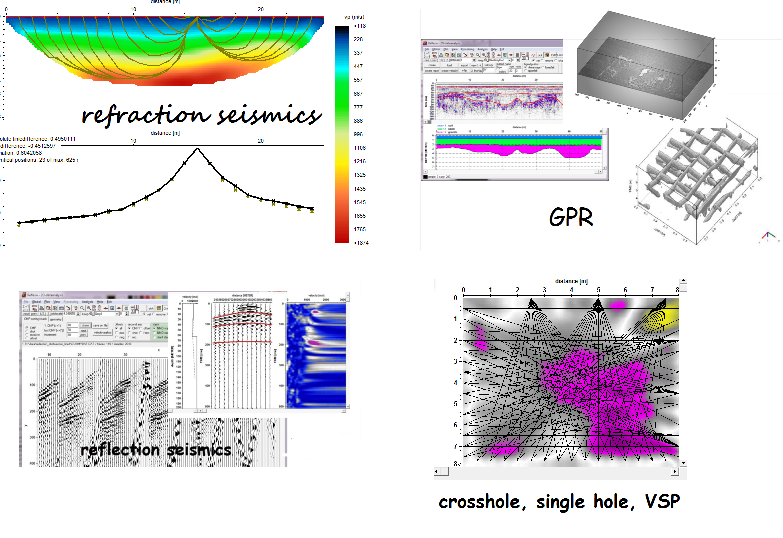
GPR 2D


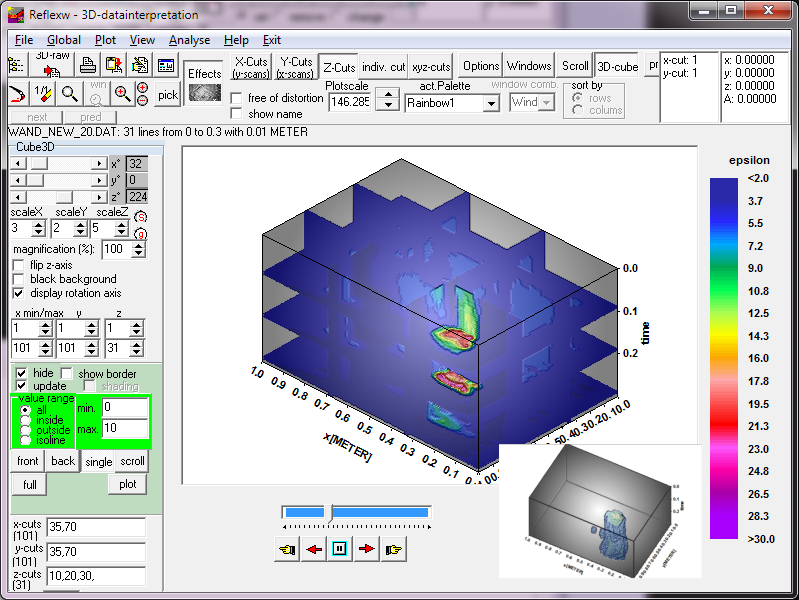
GPR3D


refraction seismics

reflection seismics

borehole methods
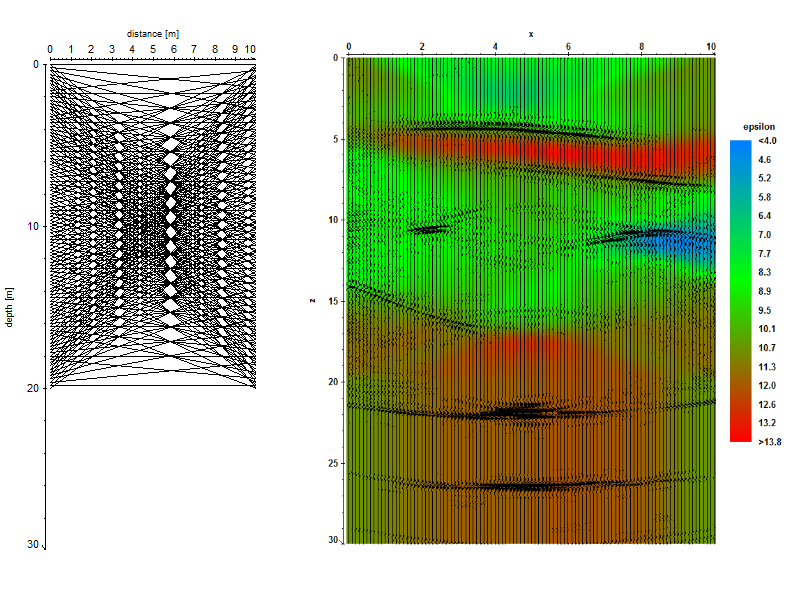
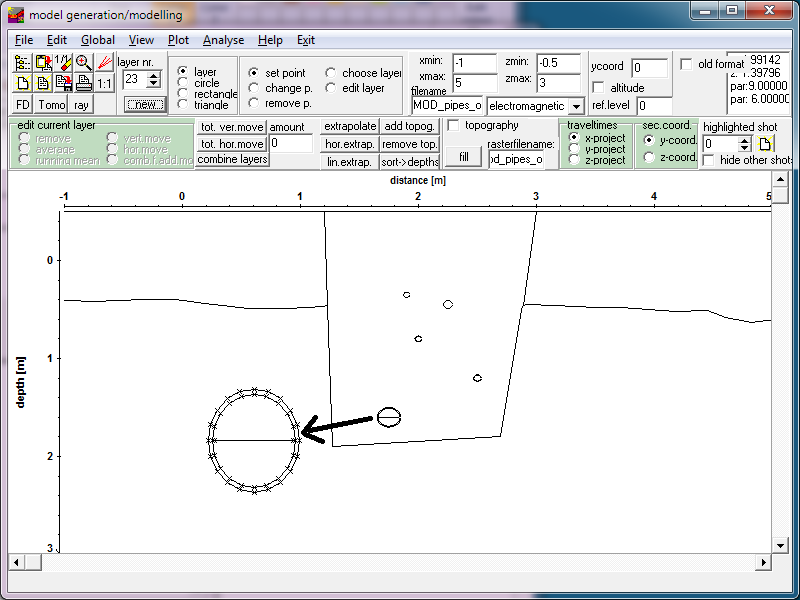
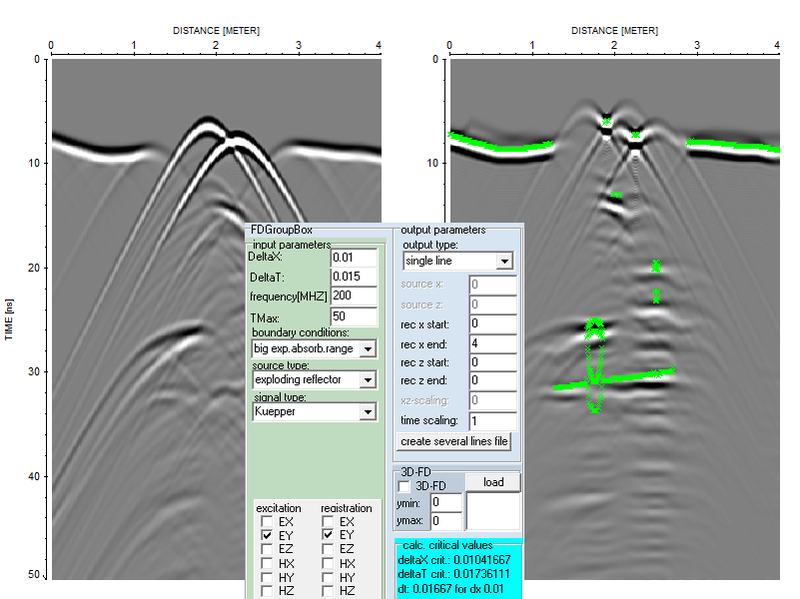
Finite Difference simulation


Reflexw is one of the world's most popular geophysical near surface processing and interpretation packages with more than 2000 sold licences.
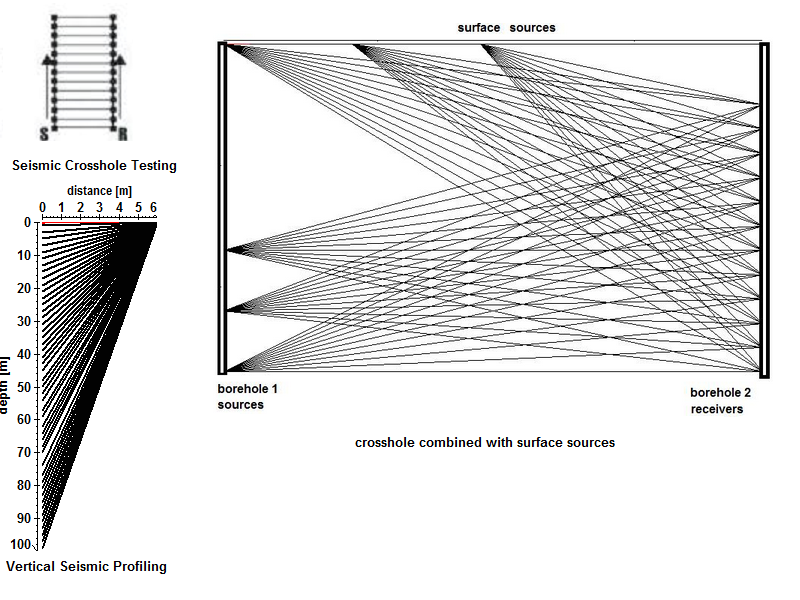
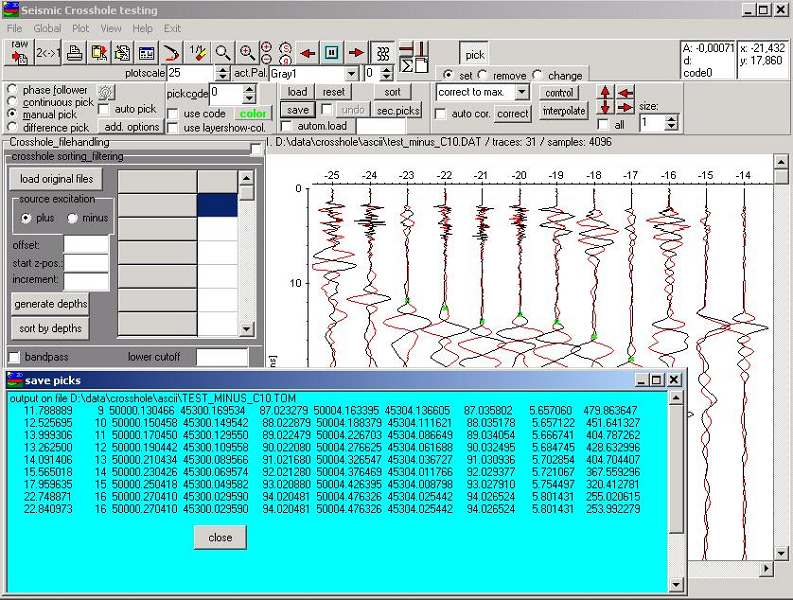
The software covers the complete range of wave data (seismic, GPR, ultrasound) and the different geometry assemblings (surface reflection and refraction, borehole crosshole and tomography and combination of borehole and surface measurements). You may also have a look at a one side broschure for GPR, reflections seismics, refraction seismics and borehole application.
Reflexw has a modular character. Therefore you may assemble your own modular arrangement regarding your personal needs.
This crosstable gives you a summary of the useful combinations of the available modules and the individual applications.
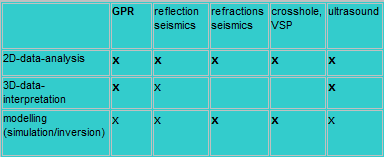
Overview of the different modules:
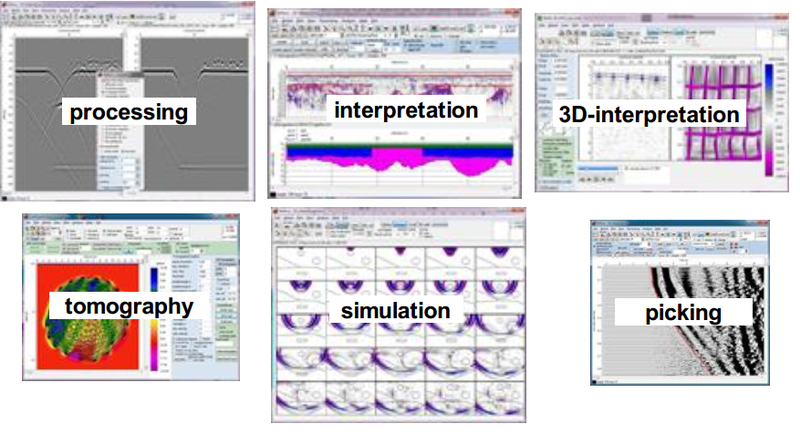
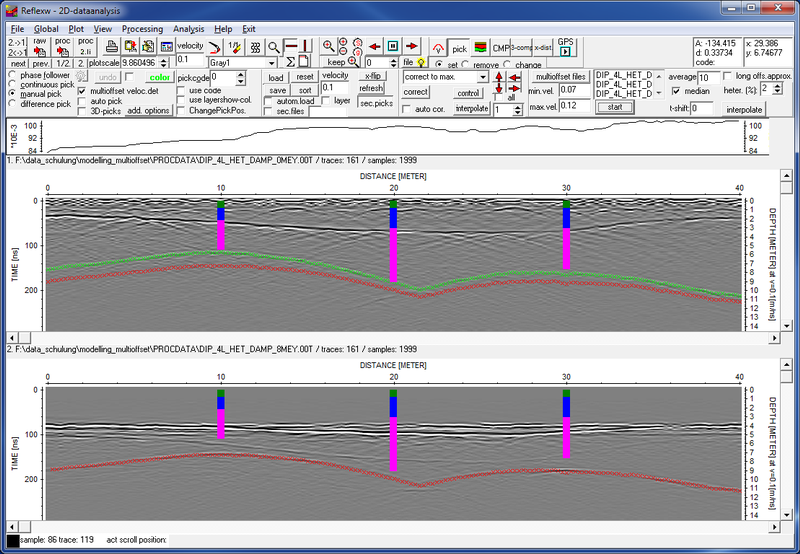
2D-data analysis:
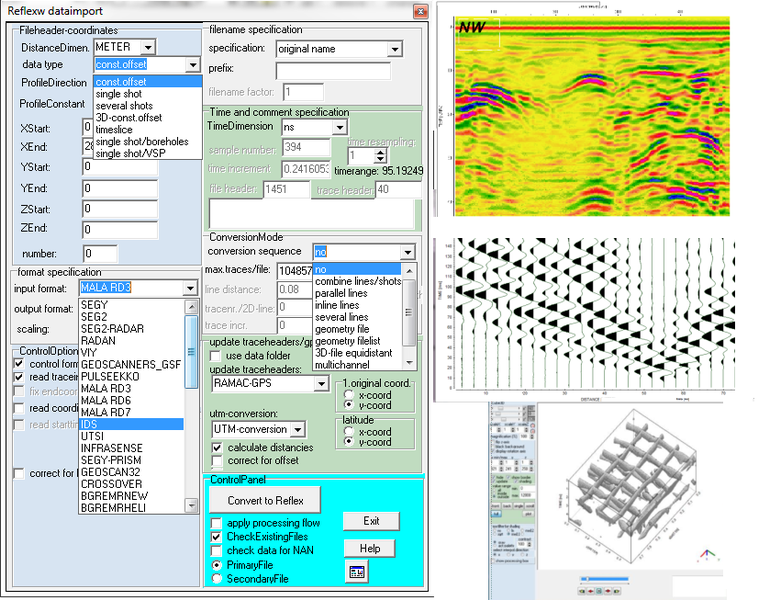
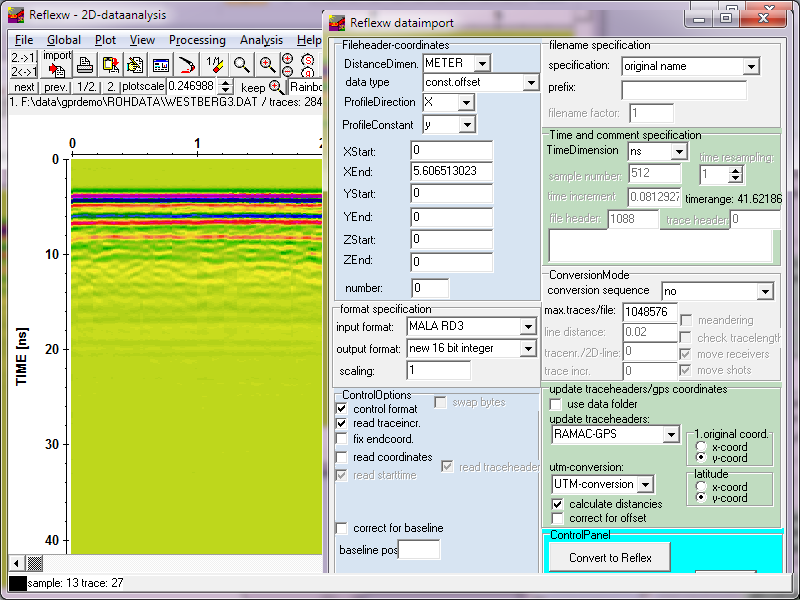
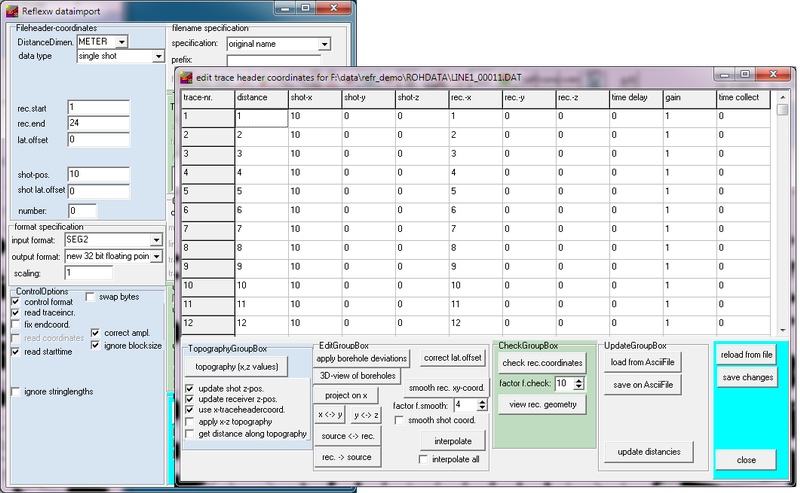
- Easy import of data of many different formats (e.g. SEGY, SEG2, most of the GPR- and seismic systems (GSSI, RAMAC, PULSE-EKKO, ABEM, OYO, Summit, IDS, UTSI and so on)), integration of other non-standard formats.
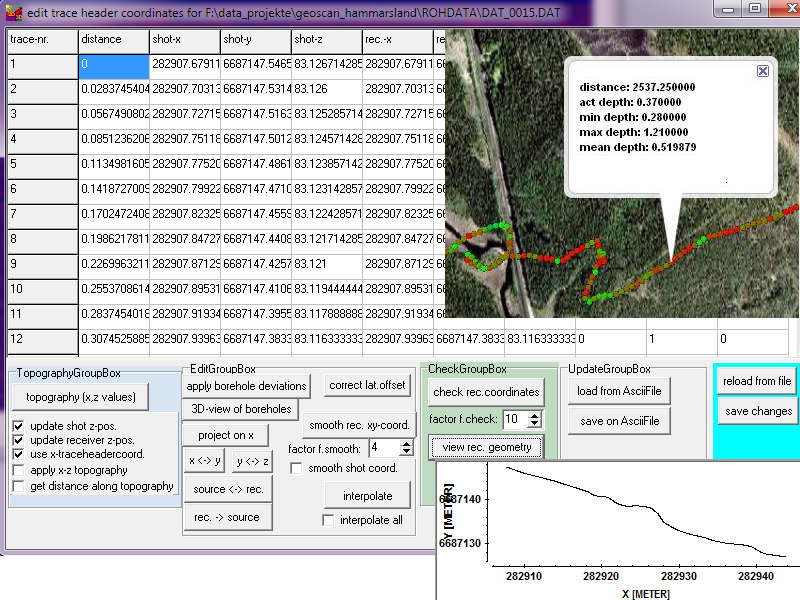
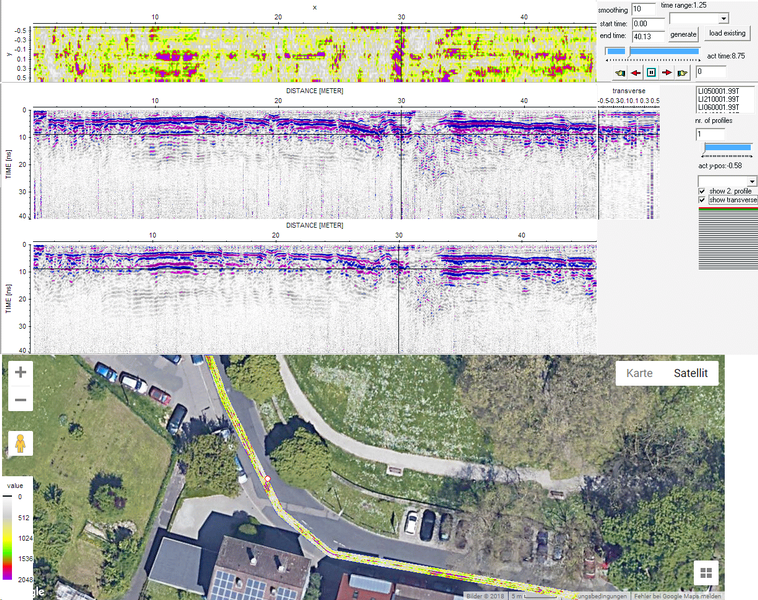
- Full GPS support with Google Map display
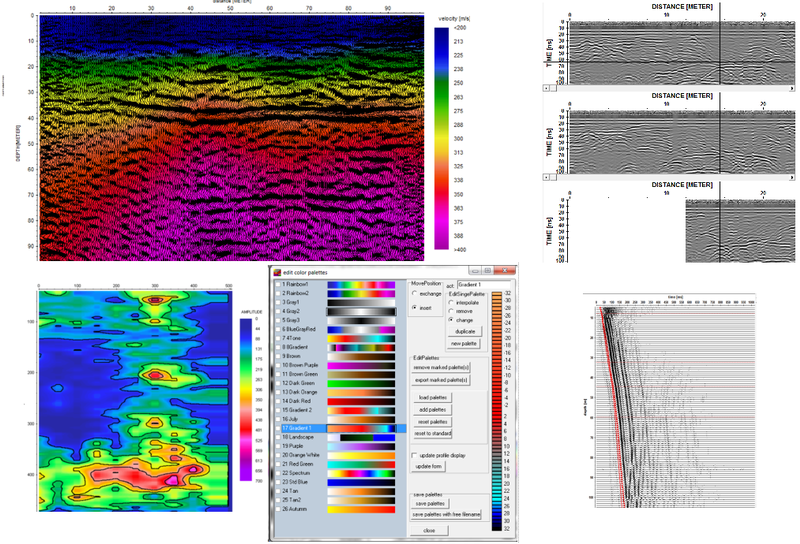
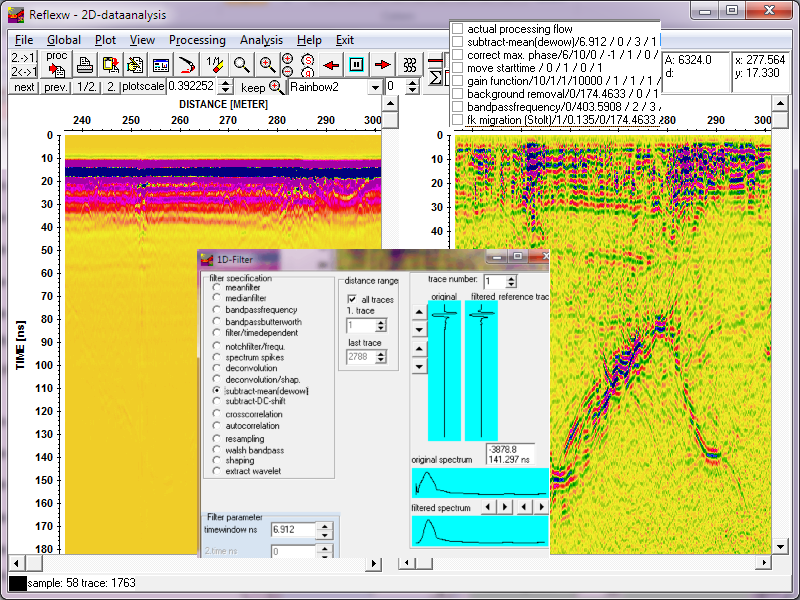
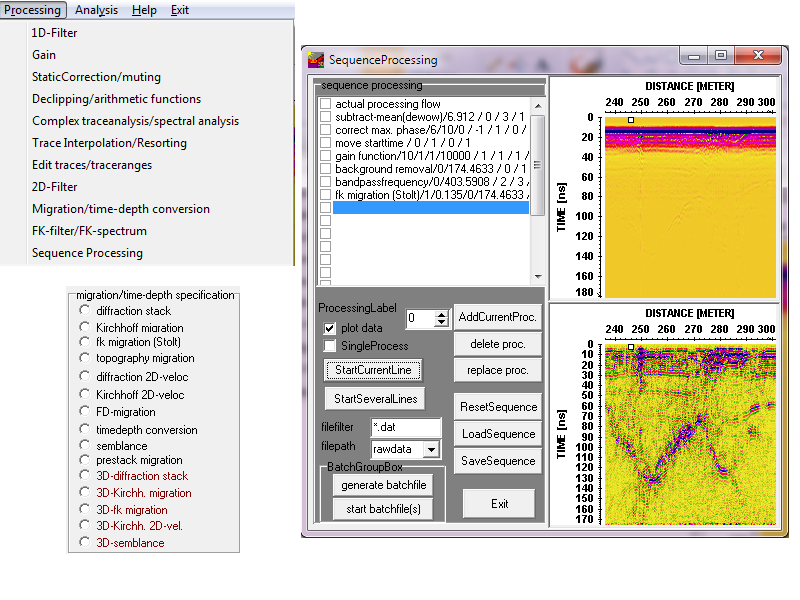
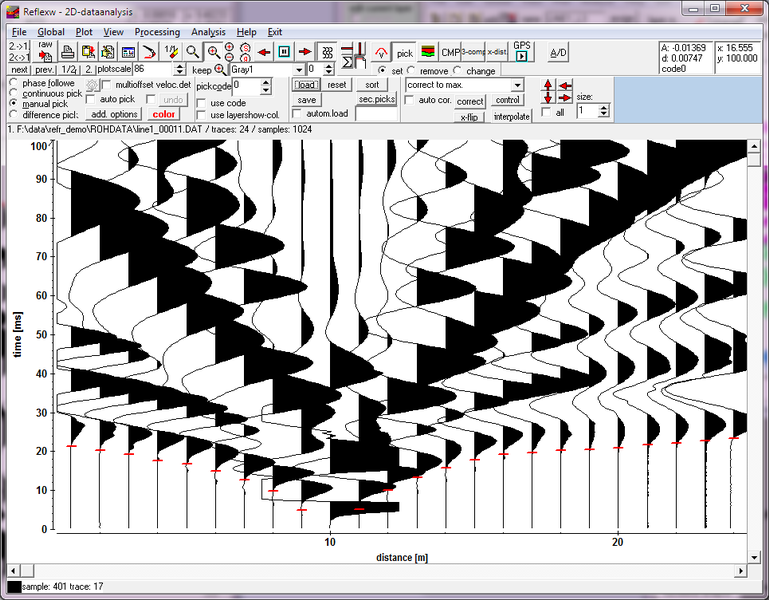
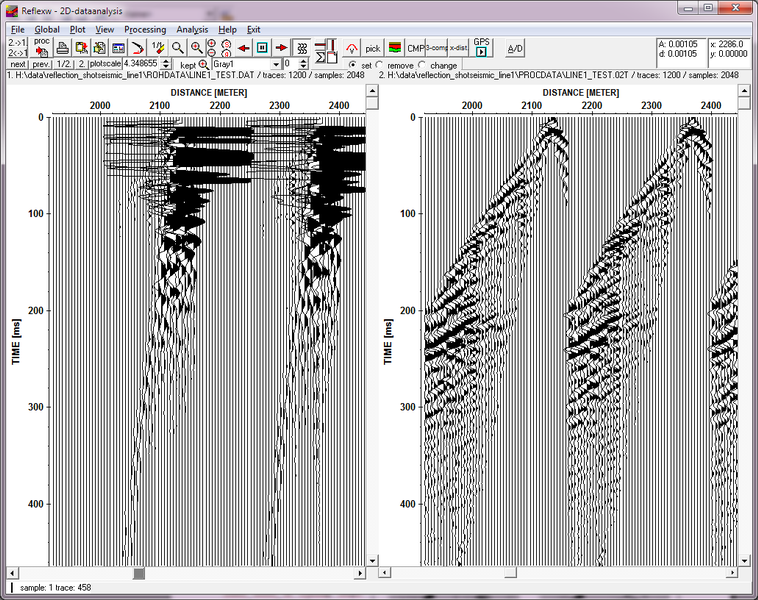
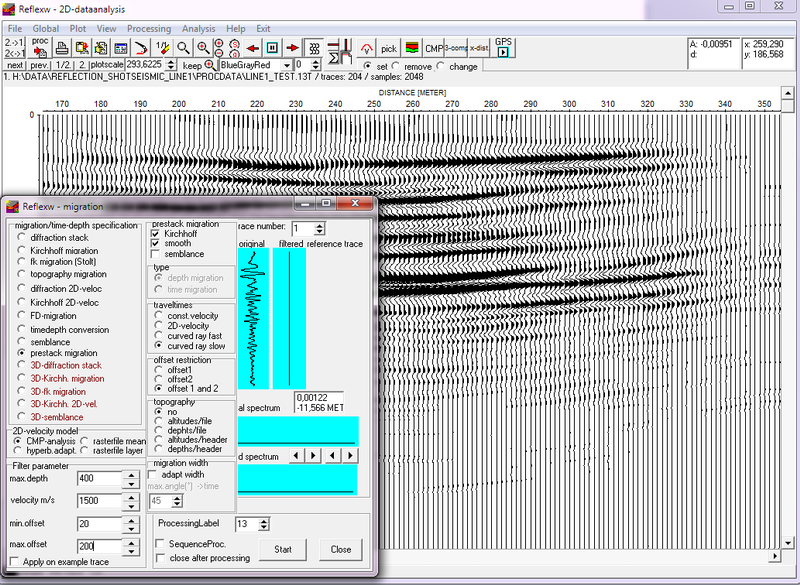
- Many different processing possibilities - interactive processing of single files or by generating a batch-file, one- and multi-channel filters, editing, static correction, deconvolution, migration and much more. All processing steps are documented. 64 bit processing for memory consuming steps like 3D-migration,...
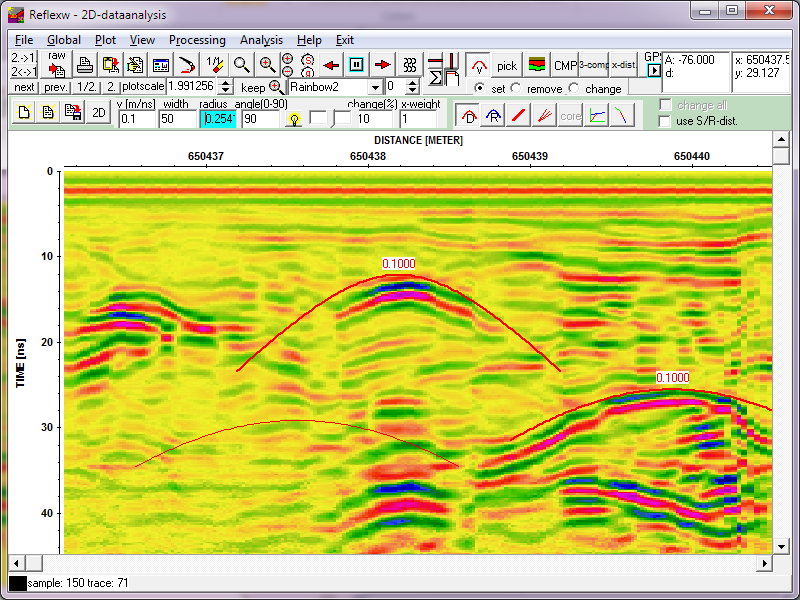
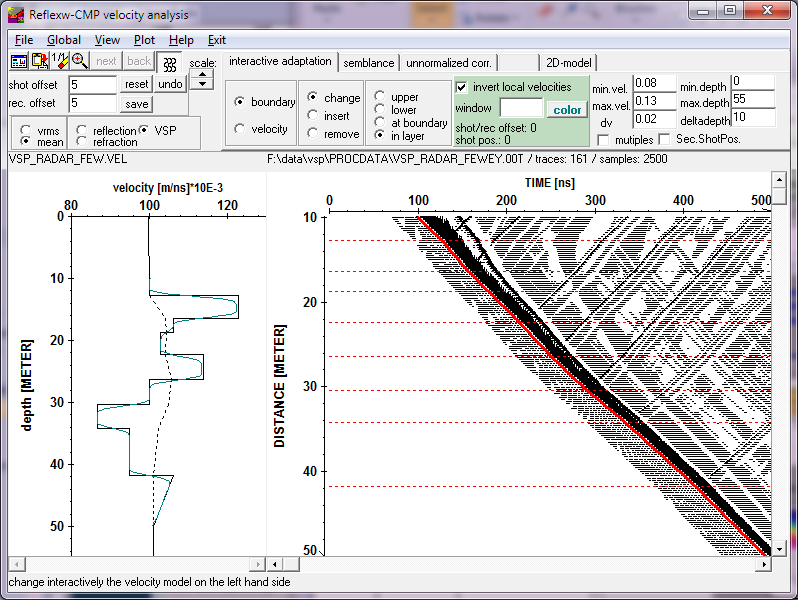
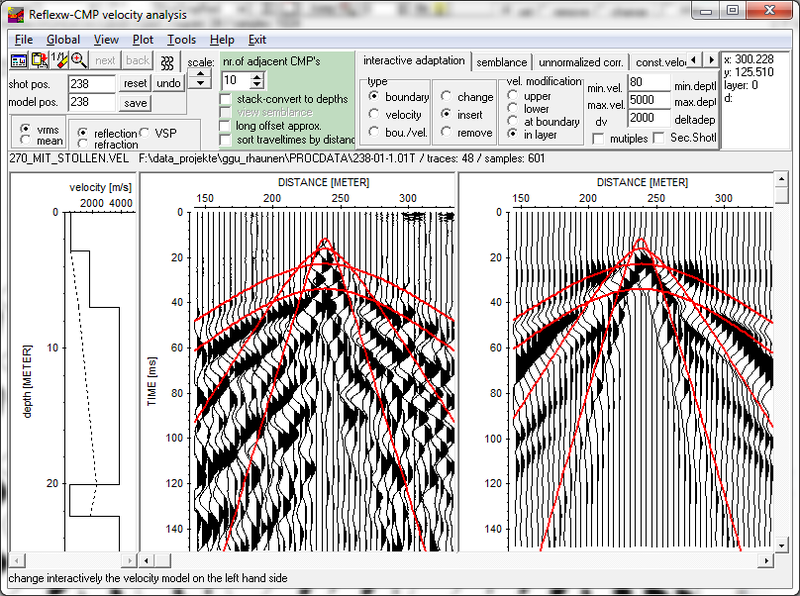
- Interactive adaptation of diffractions or first arrivals giving an estimate of the average velocities
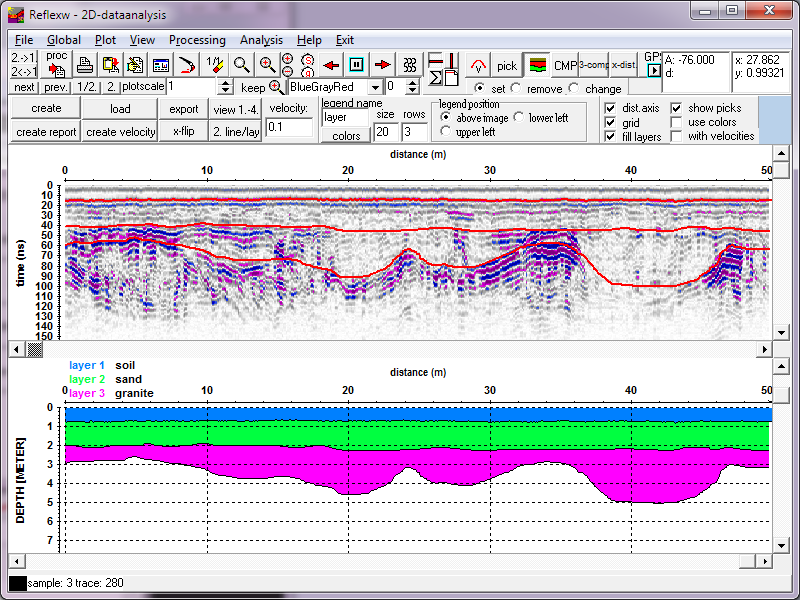
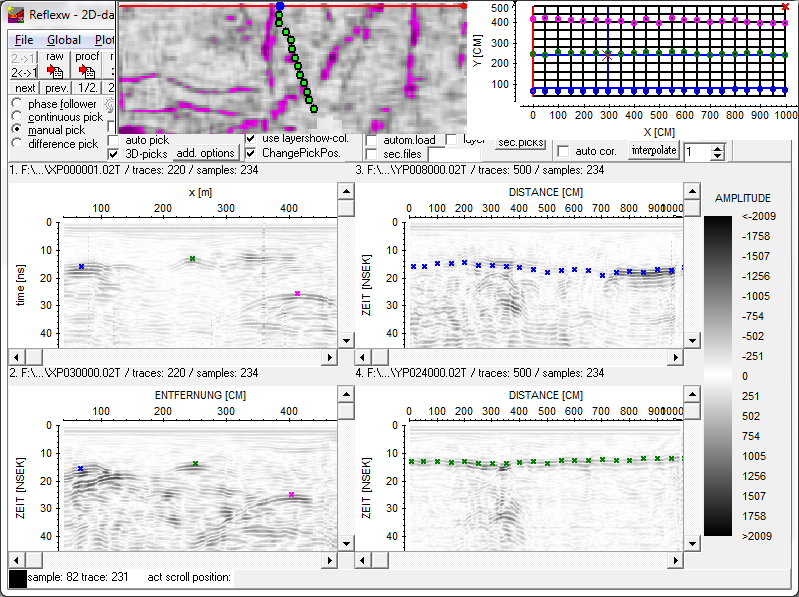
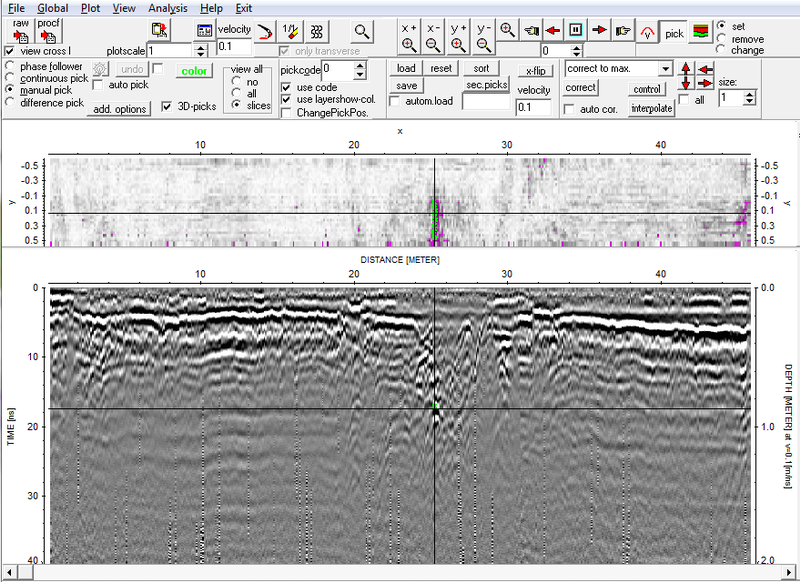
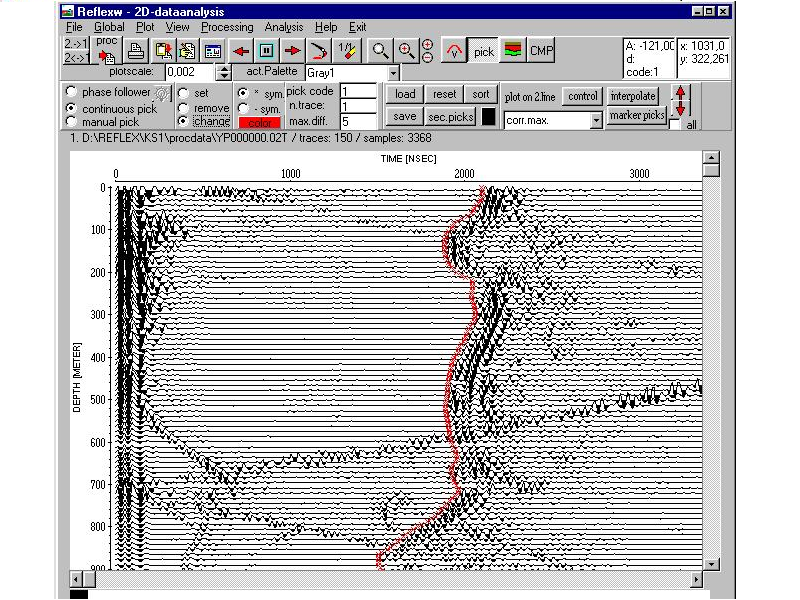
- Picking of arrivals - manual, automatic or semi-automatic, ASCII-conversion of the picks, 3D-pick, DXF export
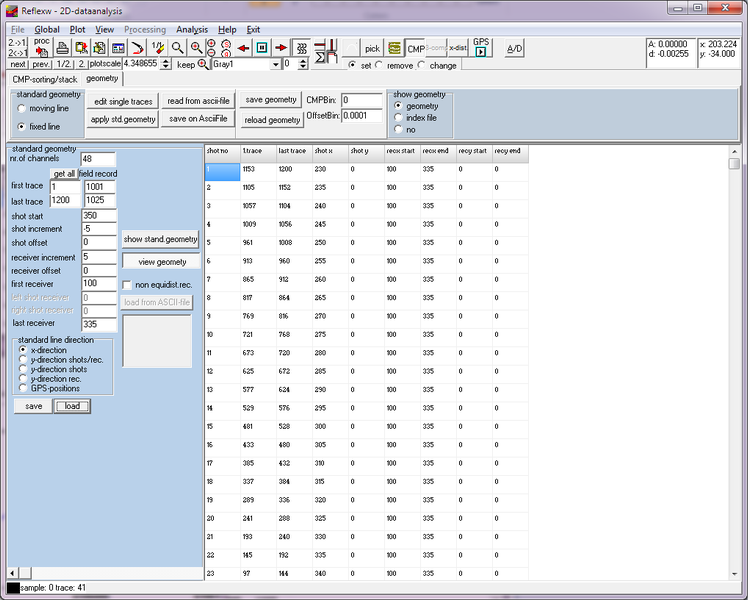
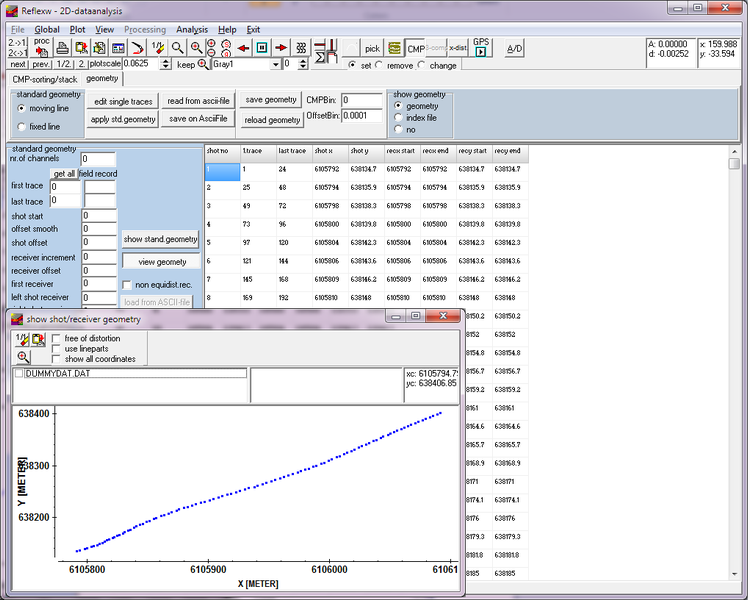
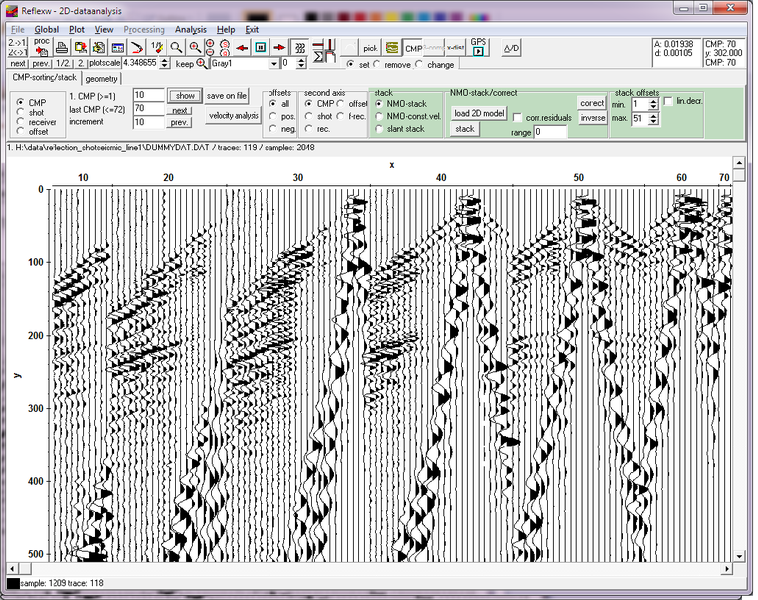
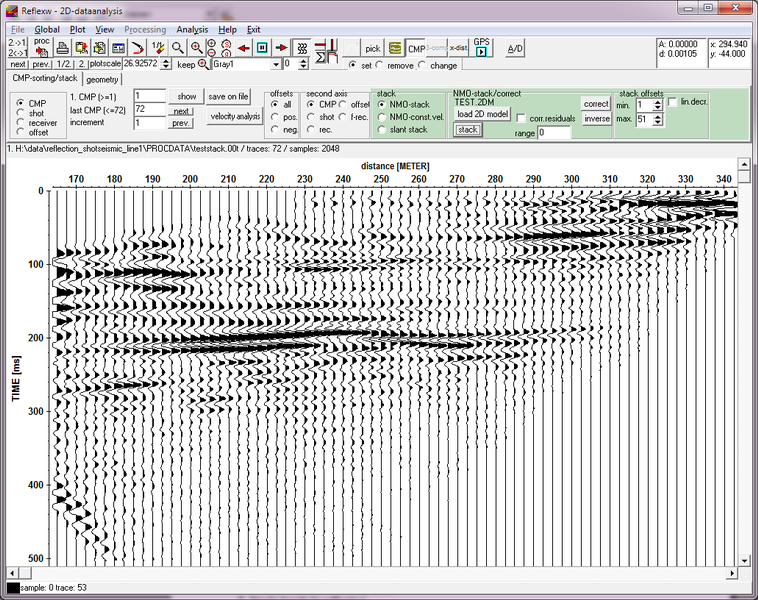
- Single-shot CMP processing (sorting, display, processing, NMO-analysis, stacking)
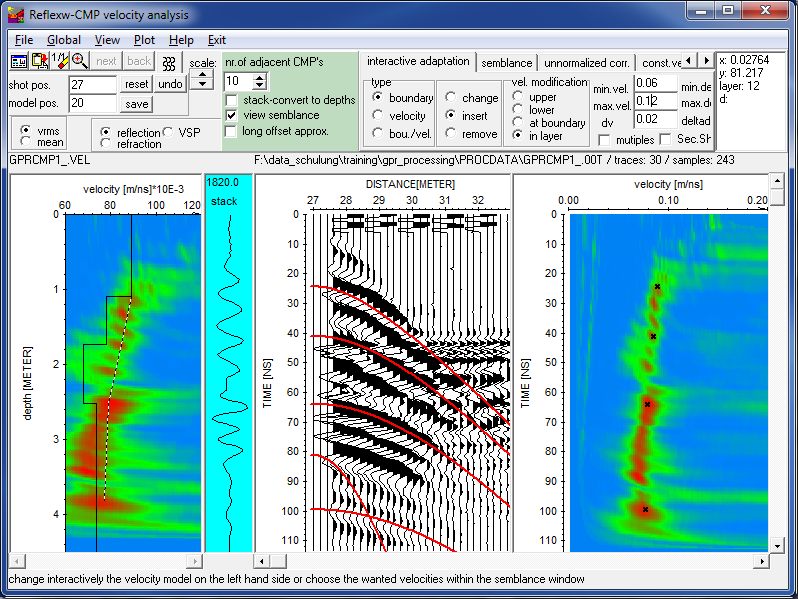
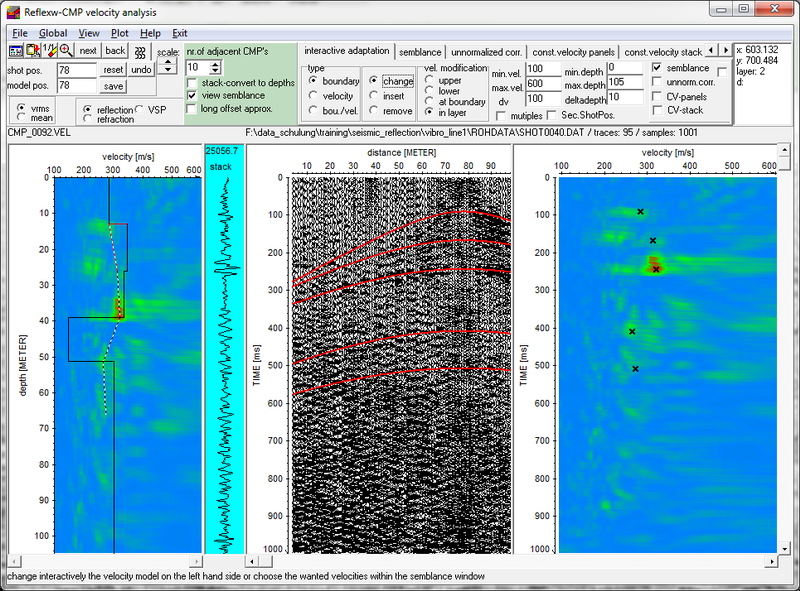
- Interactive velocity analysis of CMP- or shot-data using a semblance analysis or an interactive adaptation method calculating either the reflection hyperbolas (reflection seismics) or the complete traveltime branch including diving waves (refraction seismics).
3D-datainterpretation:
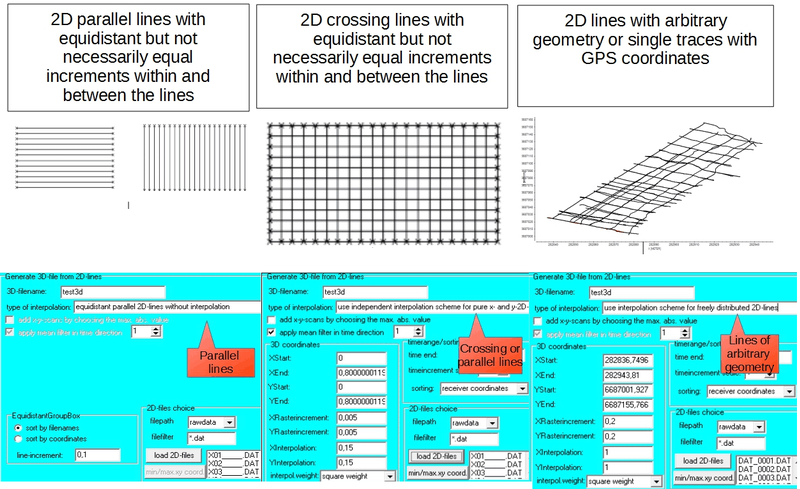
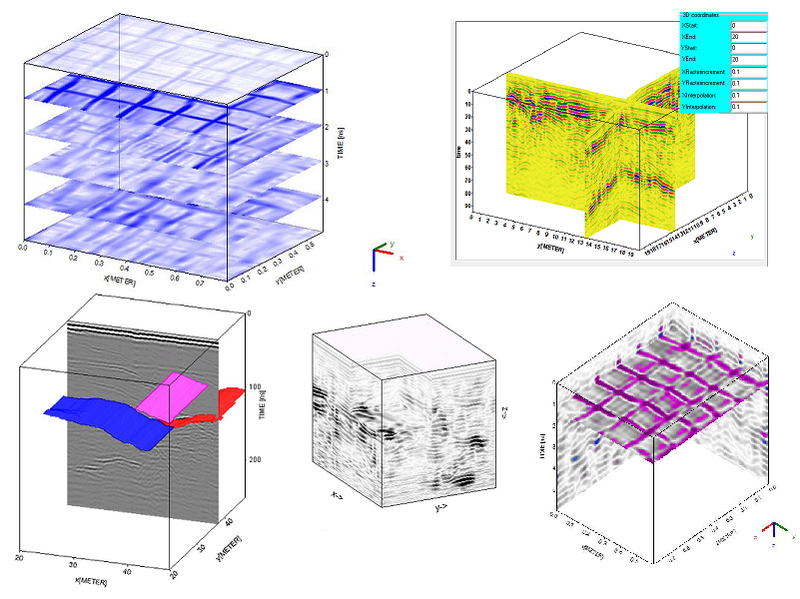
- easy generation of a 3D-dataset from individual 2D-lines which may be parallel, crossing or randomly spaced wihtin the xy-plane
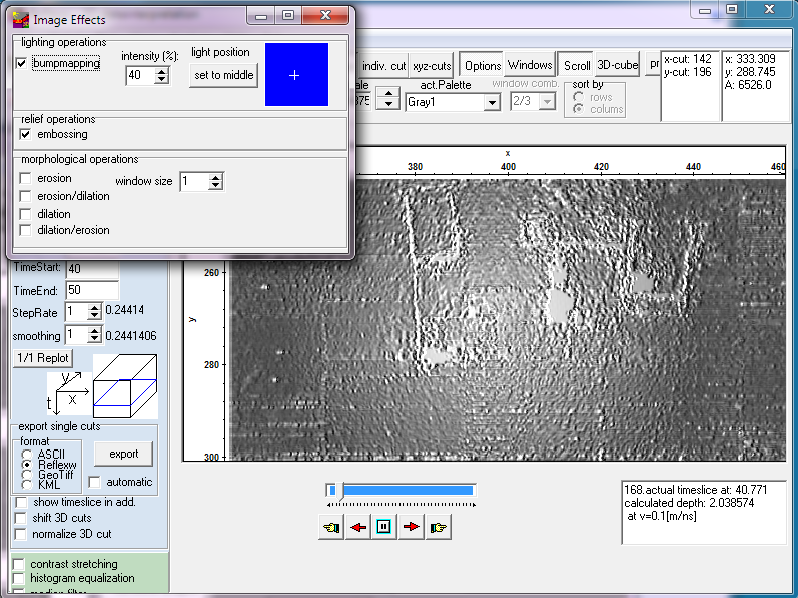
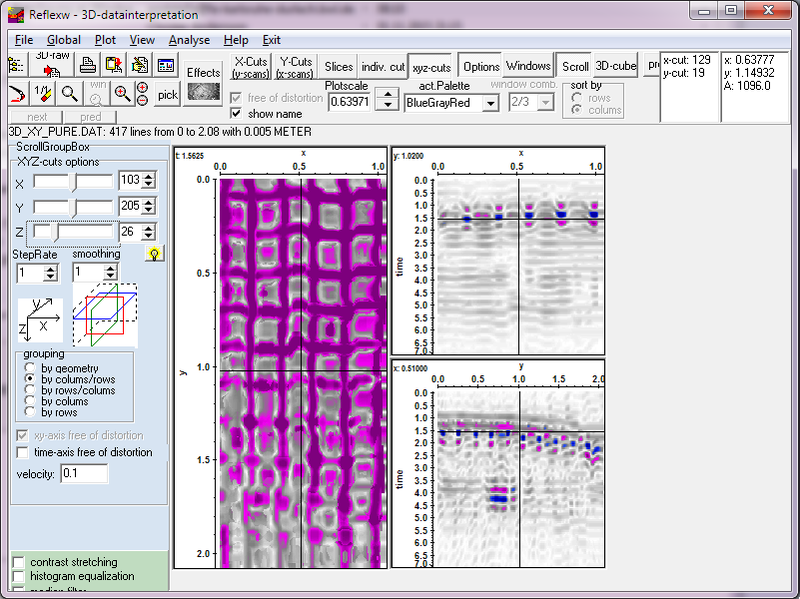
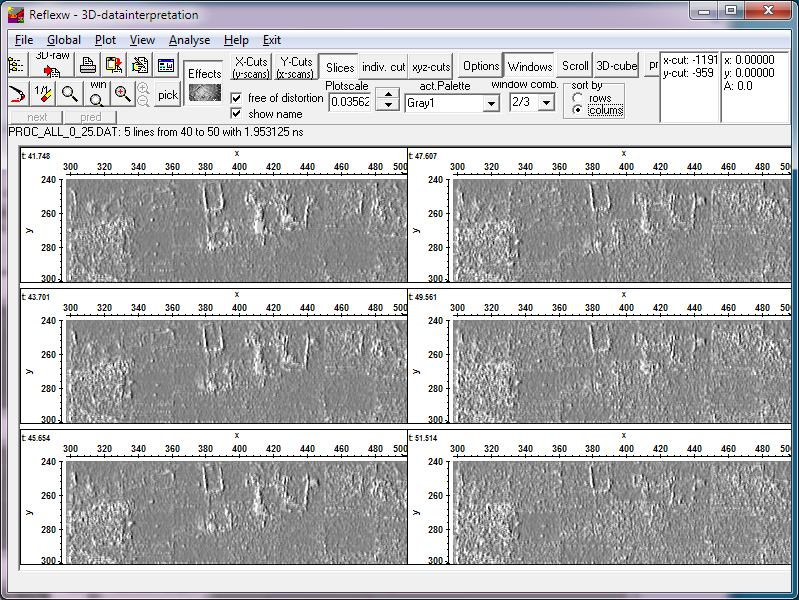
- Display of x-,y- or z-slices. The slices are either displayed in manually scalable windows or by moving through the 3D-dataset using a track bar
- 3D-cube display of the individual slices or of the full 3D-data using shading algorithms
- 3D-Picking of arrivals
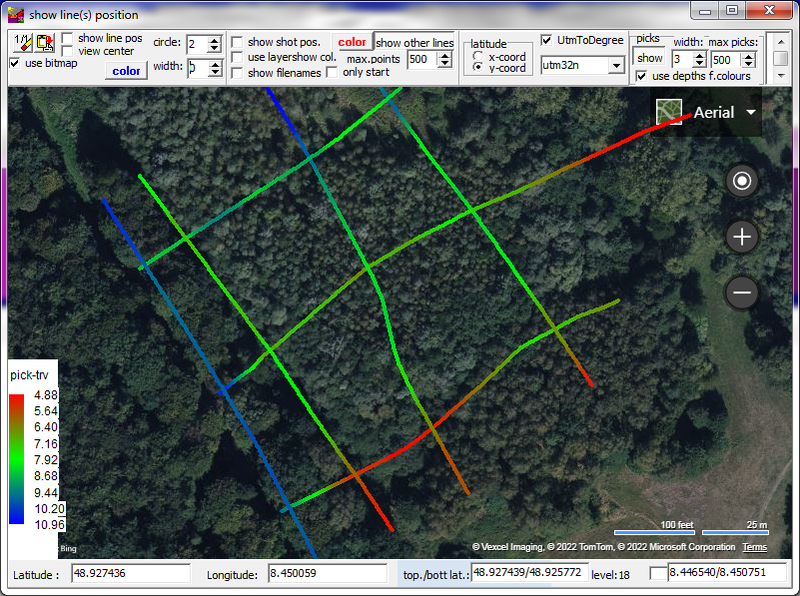
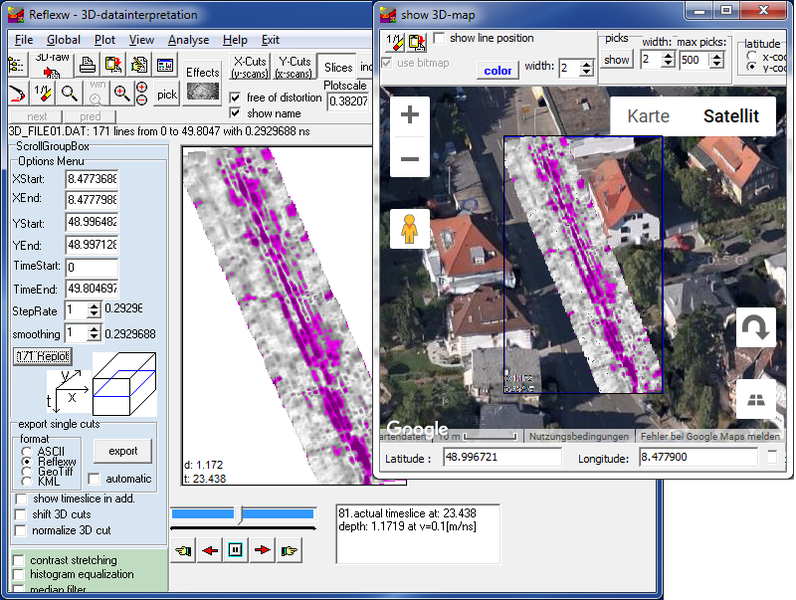
- simultaneous overlay of the timeslices on Google maps
- scan 3D tool for a fast access to rectangular 3-dimensional GPR- or seismic data which have been acquired along 2D-parallel lines in one or two perpendicular directions without going through the whole process of import, processing and generation
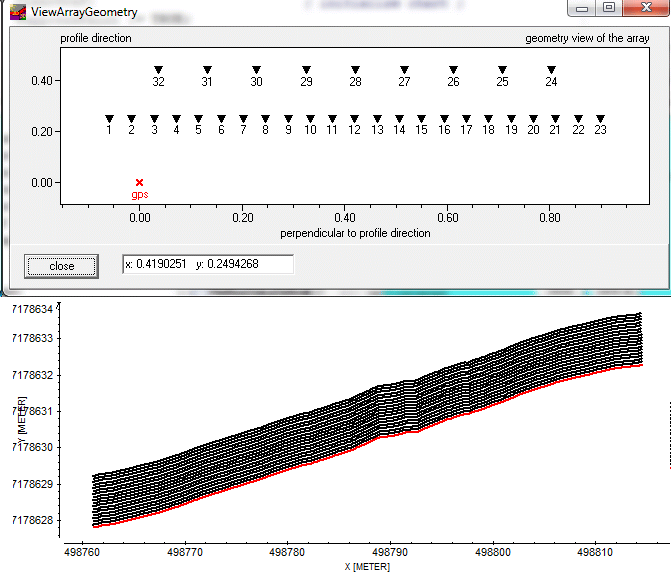
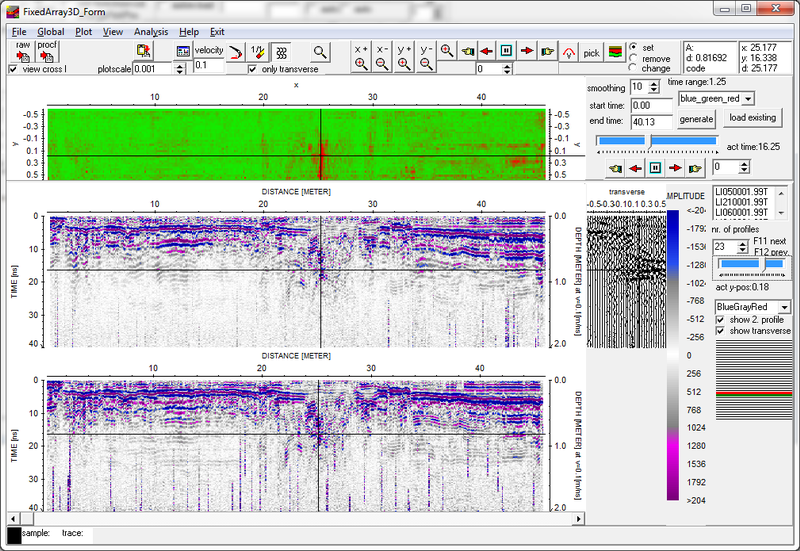
- 3D-fixed array tool for a fast interpretation of multichannel data with fixed lateral offset between the channels which allows to easily interactively reach each point within the dataset using the mouse either within the indivdiual profiles or timeslices.
modelling (simulation/inversion)
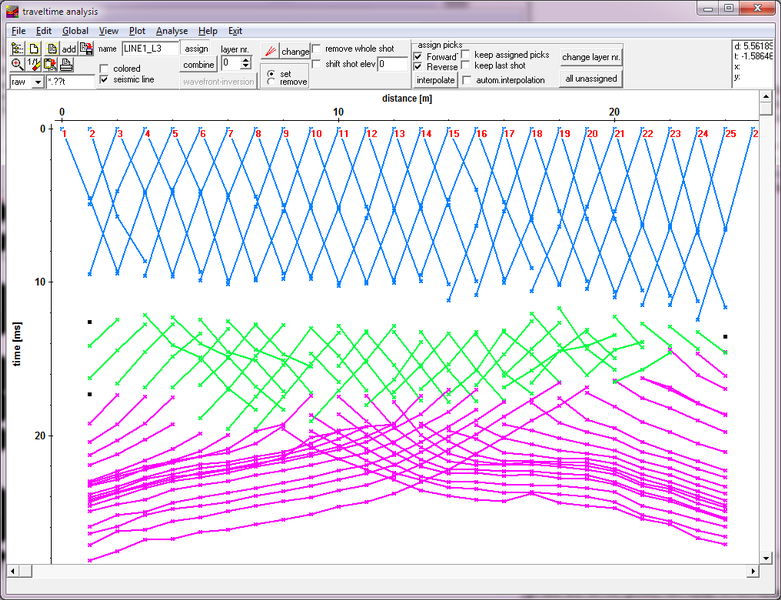
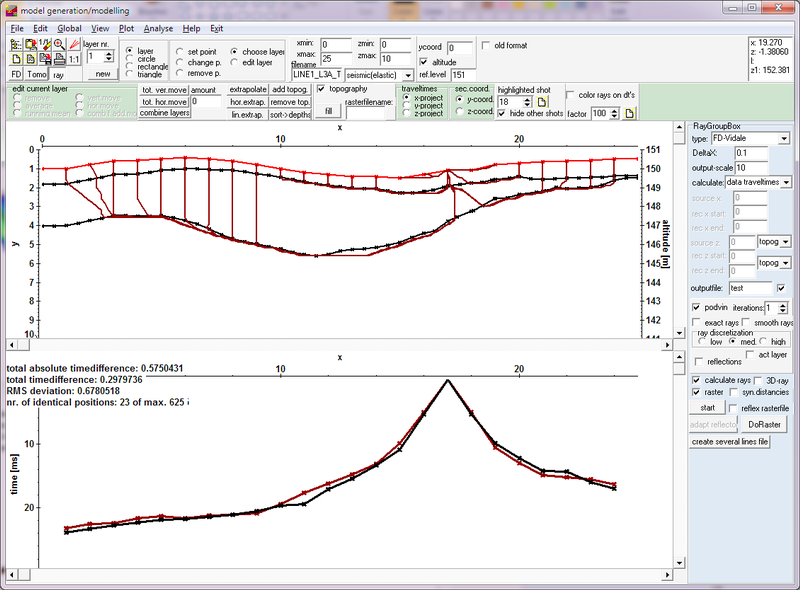
- refraction traveltime analysis for refraction seismics
- various sorting and combining possibilities for the picked traveltimes
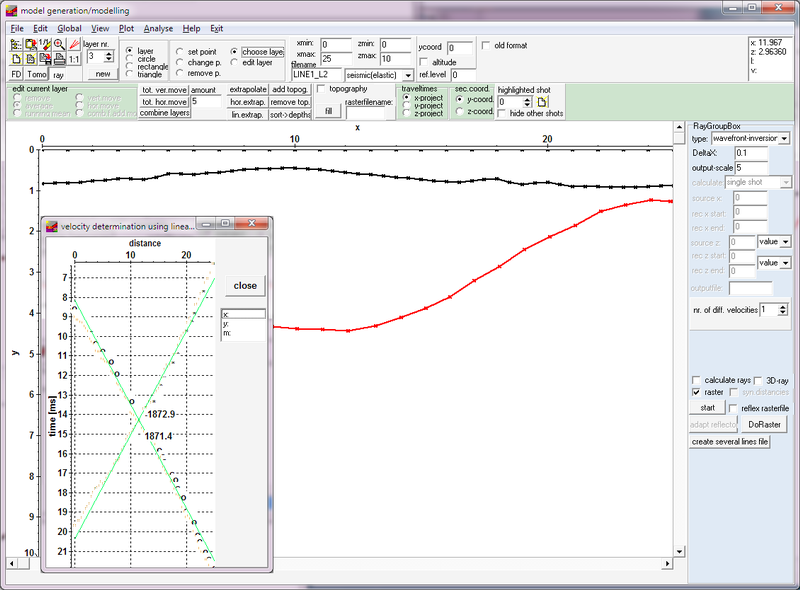
- these combined traveltimes are the bases for a FD based wavefront inversion
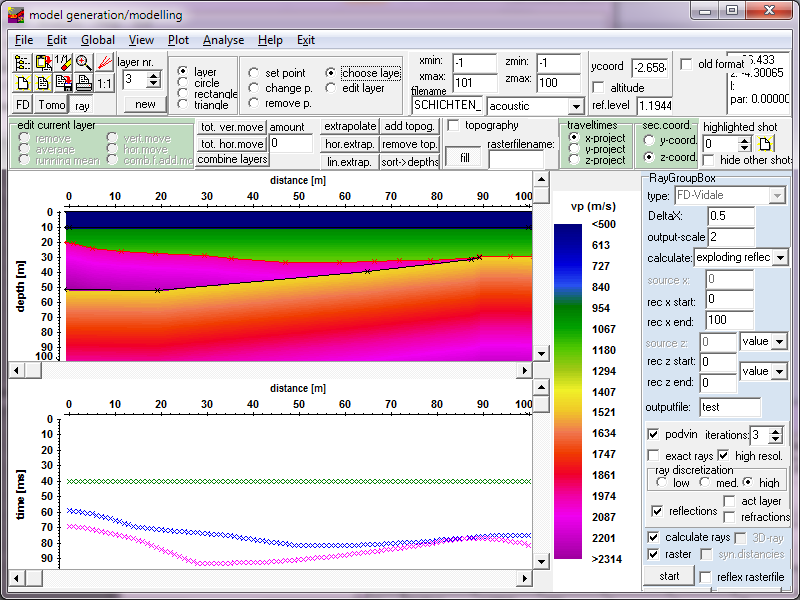
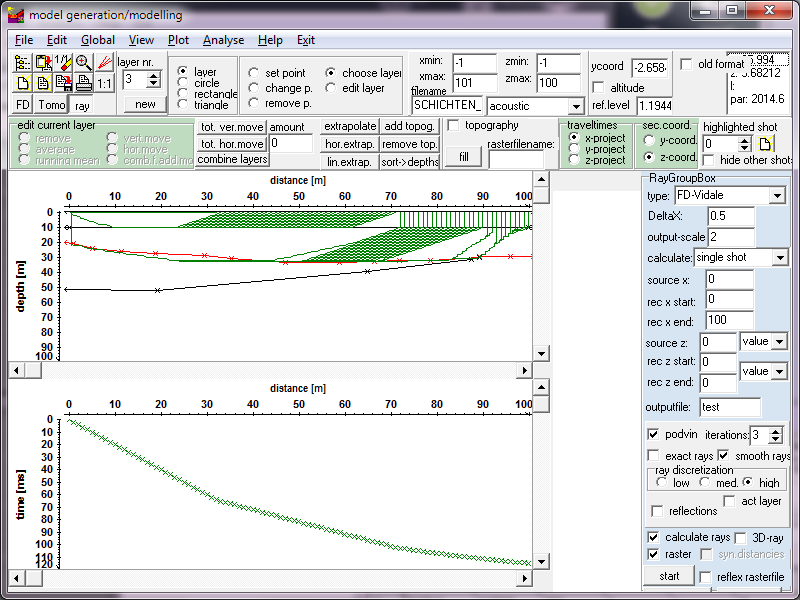
- different raytracing methods are available for the evaulation of synthetic traveltimes
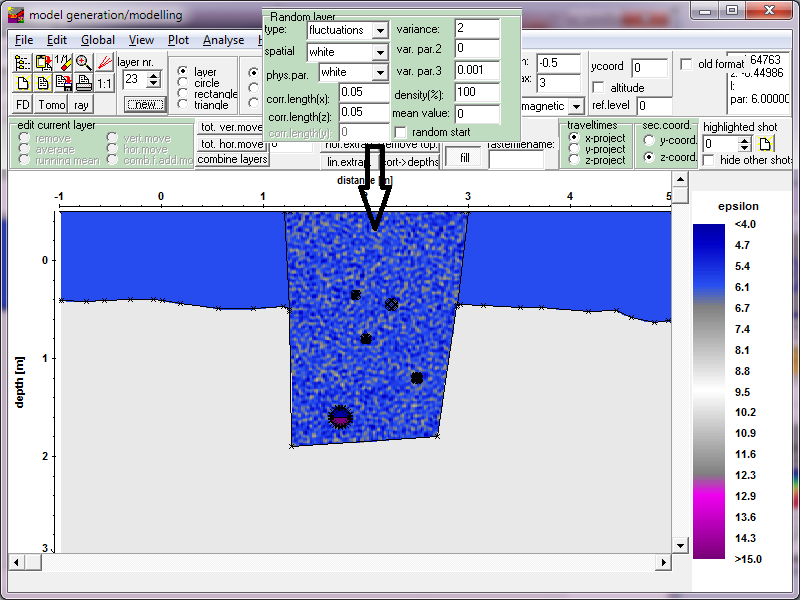
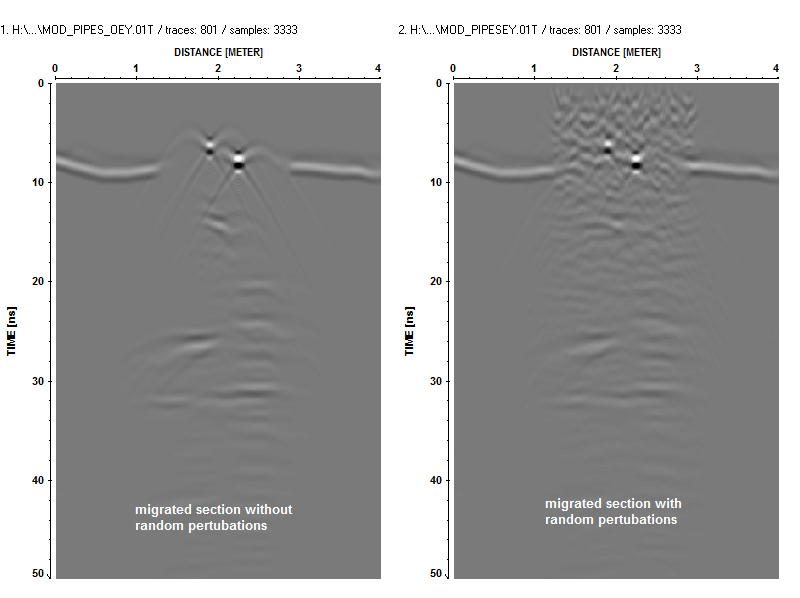
- forward modelling for simulating the electromagnetic and seismic wave propagation in a 2-dimensional medium using a Finite Difference scheme
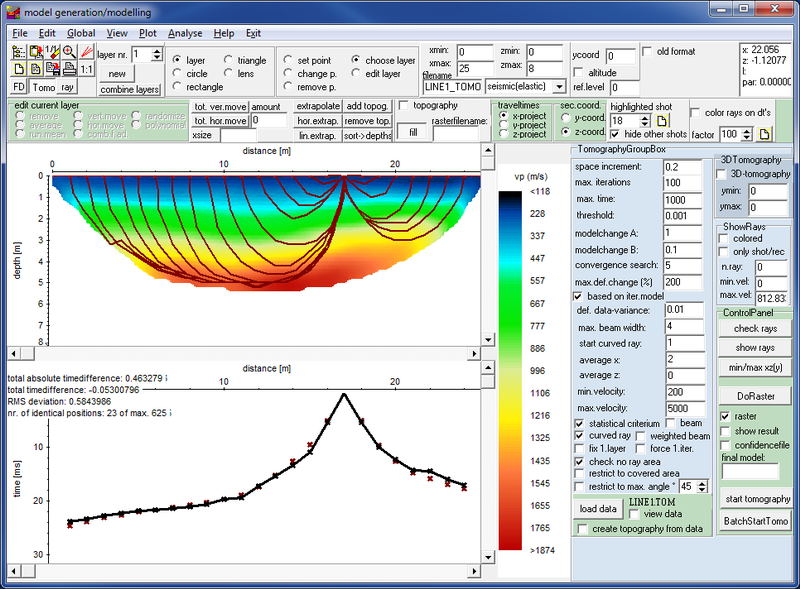
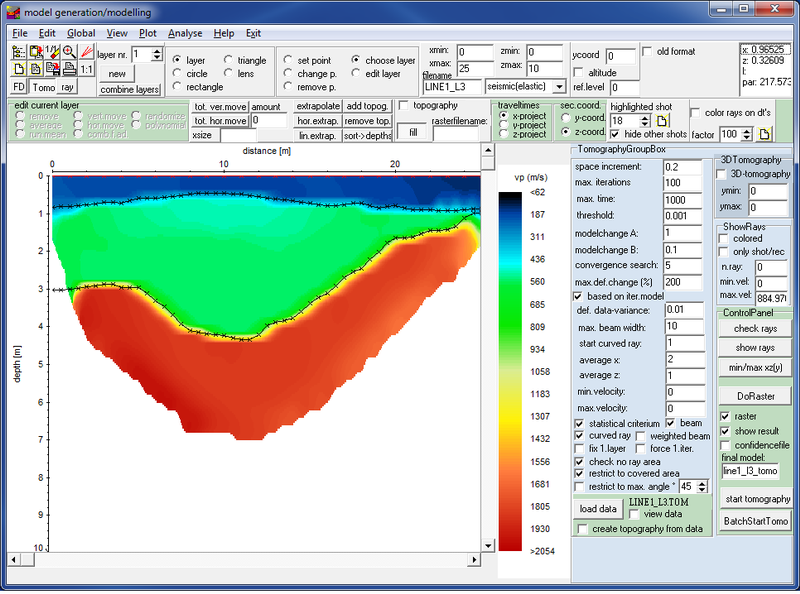
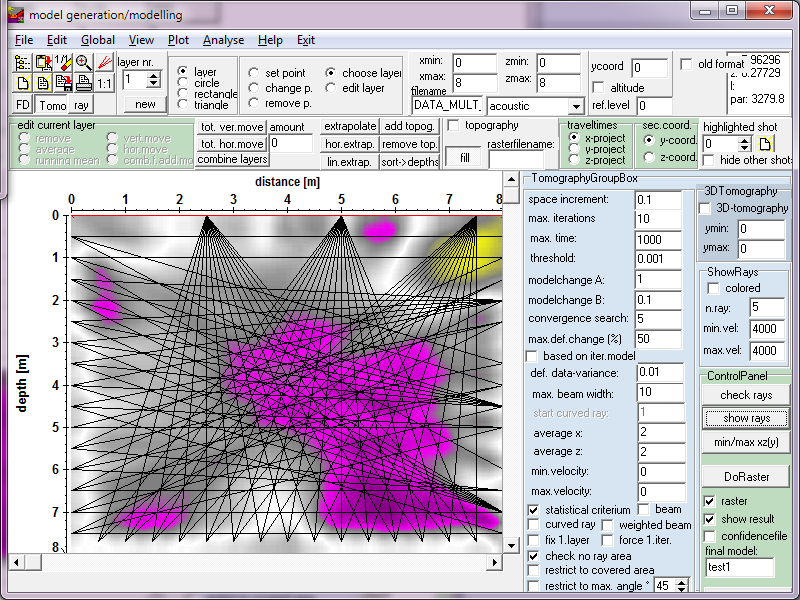
- A 2D-tomographic approach based on SIRT is incorporated for the inversion of the picked traveltimes (refraction and transmission). Straight and curved rays are supported. A 3D-tomography is available for transmission traveltime data.
- Simulation of synthetic seismograms based on the Reflectivity Method
Home | Reflexw | add. products | Guides | Download | how to order | about/contact | Privacy Policy | General Site Map